
Talha Sonmez
PC sales are falling sharply as rising RAM, SSD and component prices make upgrading more expensive. But for gamers and everyday PC users, the slowdown could create opportunities to grab discounted hardware if you know where to look.
The PC market is having a rough year, and rising hardware prices are a big reason why.
New industry figures show global PC shipments fell more than 20% in the third quarter of 2026, as expensive components and weakening demand forced manufacturers to rethink their plans.
According to research firm Omdia, worldwide shipments of desktops, laptops, and workstations fell 21.2% from the same period last year, reaching just 58.1 million units.
Meanwhile, IDC reported a similar decline of 20.1%, estimating 62.7 million PC shipments.
Although the two firms use different tracking methods, their findings point to the same problem: PCs are becoming more expensive, and fewer people are buying them.
For anyone planning a gaming PC build, upgrading their workstation or replacing an ageing laptop, it's another sign that getting good value for money is becoming increasingly difficult.
AI Demand Is Making PC Hardware More Expensive
Artificial intelligence might be the biggest trend in technology right now. Still, its rapid growth is creating problems for everyday PC buyers.
AI data centres require enormous amounts of memory, storage and processing power. As manufacturers prioritise supplying this growing market, the wider PC industry is feeling the pressure.
One of the biggest problems is the rising cost of RAM and SSD storage.
Omdia estimates that DRAM and SSDs now account for nearly 40% of a PC's component costs, compared with around 15% previously. The research firm also reports that prices for these components have increased more than fourfold.
That's a substantial change for PC manufacturers, system builders and anyone purchasing individual components.
For example, a gamer putting together a new build could find that their planned 32GB RAM kit or 2TB NVMe SSD consumes considerably more of their budget than expected.
The problem isn't limited to memory and storage, either. Shortages affecting processors, graphics cards and other electronic components are making the situation even more challenging.
While the exact impact varies by product, the overall result is clear: building or buying a capable PC is becoming increasingly expensive.
Why Are PC Shipments Falling So Quickly?
The downturn isn't simply because people have suddenly lost interest in PCs.
Earlier in 2026, manufacturers, retailers and business customers rushed to secure stock before anticipated component price increases took effect.
That meant a significant amount of PC purchasing happened earlier than usual.
While this supported shipment figures in the first half of the year, it also created an unusual situation in the third quarter.
Retailers were left holding inventory bought earlier, while consumers and businesses became increasingly reluctant to pay higher prices.
Normally, the third quarter benefits from back-to-school purchases and businesses refreshing their equipment. This year, however, IDC reported that shipments fell 9.1% from the previous quarter.
In simple terms, many buyers either purchased their PCs earlier in the year or decided that upgrading wasn't worth the current asking price.
For gamers, it's an understandable decision. If an existing PC still runs favourite games at acceptable settings, spending hundreds or even thousands on a replacement becomes much harder to justify.
The same applies to professionals who use PCs for video editing, graphic design, software development, and other demanding workloads.
Unless their current machine is seriously slowing them down, holding off on an upgrade may make more financial sense.
Even the Biggest PC Brands Are Struggling
The downturn is affecting almost every major PC manufacturer.
Lenovo remains the world's largest PC vendor, but its shipments have fallen significantly. HP, Dell and Apple have also experienced declines.
According to Omdia's Q3 2026 figures:
• Lenovo; 14.9 million; Down approximately 23%
• HP; 10.3 million; Down 31%
• Dell; 7.6 million; Down approximately 25%
• Apple; 6.8 million; Down 11%
• ASUS; 5.4 million; Decline, smaller than other top-five vendors
Figures from Omdia's Q3 2026 market report. Estimates differ slightly between research firms.
Apple has weathered the slowdown better than several competitors, even gaining market share despite selling fewer computers overall.
However, none of these manufacturers is immune to rising production costs and weaker customer demand.
Could Falling PC Sales Lead to Better Deals?
Here's where things become particularly interesting for PC buyers.
Although component prices are rising, weakening demand could encourage retailers to introduce discounts to clear existing inventory.
Retailers don't want expensive laptops, desktops, and PC components sitting on shelves indefinitely, especially as newer products arrive.
As a result, we could see more targeted promotions, limited-time discounts and clearance opportunities as retailers attempt to shift stock.
However, there's an important catch.
A slowdown in PC sales doesn't automatically mean hardware prices will return to their previous levels.
Manufacturers still face substantially higher component costs, which may limit how aggressively they can discount products.
For consumers, this creates a market where prices could fluctuate considerably between retailers and across individual products.
A gaming laptop might get a substantial clearance discount, while a popular RAM kit stays expensive because of limited supply.
Similarly, a prebuilt gaming desktop using components purchased before the latest price increases might occasionally offer better value than building an equivalent system from scratch.
That's why comparing prices and monitoring availability could become increasingly important.
How Stock Checker Can Help You Find PC Hardware Deals
With prices changing and availability varying between retailers, buying PC hardware at the right time could make a noticeable difference to your budget.
This is where Stock Checker can be useful.
Instead of relying on occasional searches or manually checking multiple retailers, PC enthusiasts can use Stock Checker to track hardware availability and buying opportunities.
For example, if you're planning a gaming PC upgrade, you might be interested in monitoring:
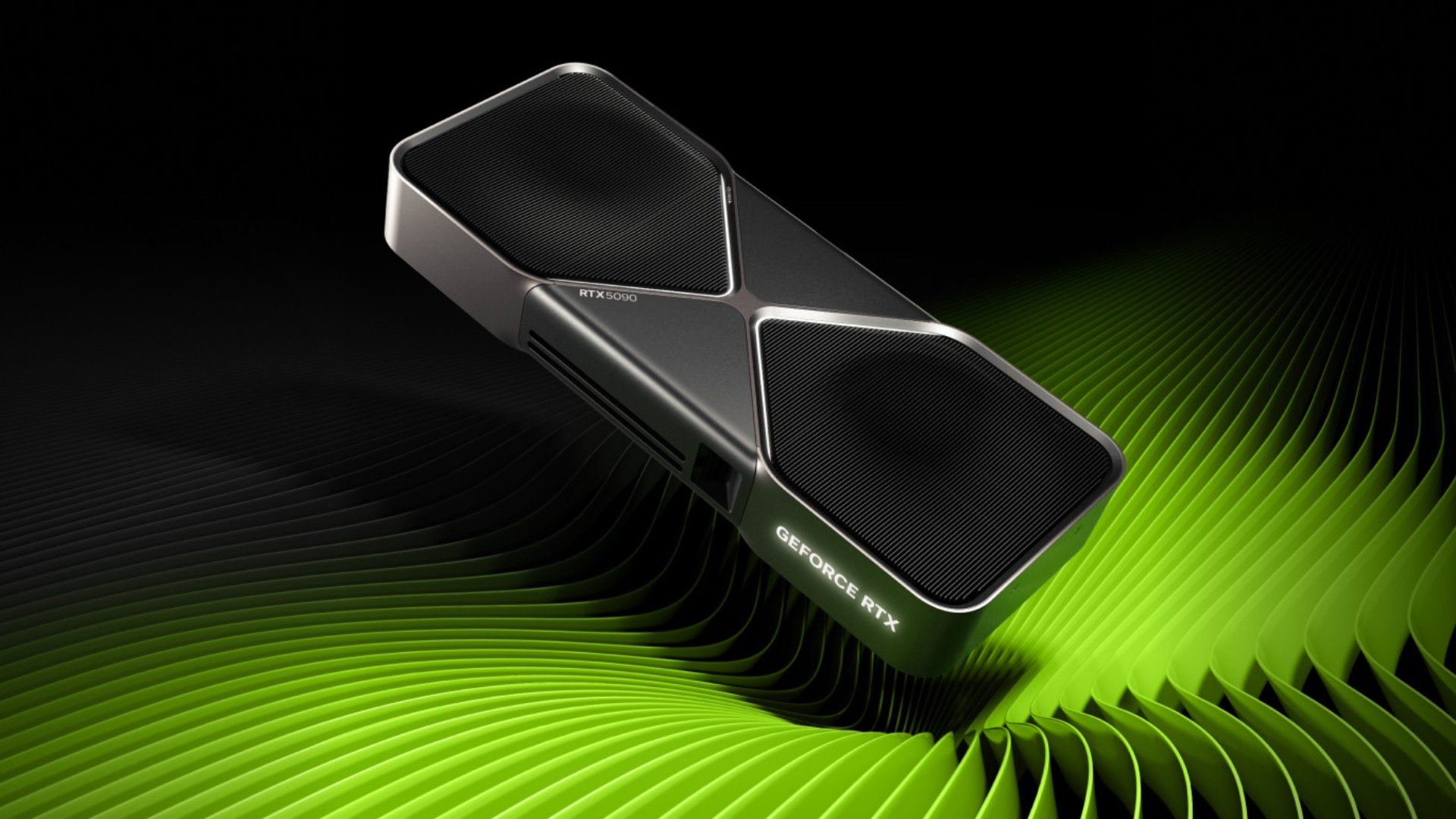
• Graphics cards: Track availability for GPUs you're considering, especially when popular models are hard to find.
• RAM and SSDs: Watch for deals on memory and storage so you don't pay inflated prices.
• Gaming PCs and laptops: Look out for retailer restocks and potential clearance opportunities on systems that meet your requirements.
• Popular hardware releases: Stay informed about stock opportunities when demand is high, or availability is limited.
Tracking stock is especially useful in an unpredictable market because not every retailer receives inventory at the same time, and prices can vary significantly.
Remember that a product being back in stock doesn't necessarily mean it's a good deal. Always compare its current price against your budget and what similar hardware costs elsewhere.
With retailers potentially looking to clear excess inventory, staying informed can help you spot worthwhile opportunities rather than rush into an expensive upgrade.
Should You Upgrade Your PC Now or Wait?
If you're considering a new PC, the best decision depends on what you already own and how much performance you actually need.
If your machine still handles your preferred titles comfortably, waiting could be the sensible option. There's little reason to pay inflated prices for an upgrade that won't make a meaningful difference.
On the other hand, if your PC struggles with modern games, crashes under demanding workloads, or slows your productivity, an upgrade may still be worthwhile.
The key is to avoid buying out of panic.
Rather than replacing your entire setup, consider whether a smaller upgrade could extend its useful life. Additional storage, more memory, or a targeted graphics card upgrade may give you the improvement you need without the cost of a completely new system.
It's also worth comparing individual components against prebuilt systems. Depending on retailer promotions and stock levels, the best deal might not be where you'd expect.
Using tools like Stock Checker to monitor availability while comparing prices across retailers can help you make a more informed decision.
The PC Market Could Get Worse Before It Gets Better
Unfortunately, analysts aren't expecting an immediate recovery.
Omdia forecasts that global PC shipments could fall by another 24% year-on-year during the fourth quarter of 2026.
The firm also expects shipments to decline a further 7% in 2027, suggesting higher hardware costs and weaker demand could remain problems well into next year.
For manufacturers, that presents a difficult challenge. They need to convince customers to buy new PCs while also dealing with rising component costs.
For consumers, however, the situation is more complicated.
While ongoing component shortages could keep prices elevated, weaker sales and excess retail inventory may create occasional opportunities to buy discounted hardware.
Those opportunities aren't guaranteed, but they're worth watching.
Final Thoughts
The global PC market is facing a difficult period, with AI-driven component demand, rising hardware costs and cautious buyers combining to push shipments sharply lower.
For everyday PC users, gamers and professionals, the takeaway is straightforward: upgrading your PC now requires more careful planning than it did a year ago.
You don't necessarily need to replace a perfectly capable machine just because newer hardware is available. And if you do need an upgrade, comparing prices and monitoring stock could help you avoid paying more than necessary.
With retailers potentially offering promotions to move unsold inventory, Stock Checker could help you spot purchasing opportunities as they appear.
The PC market might be struggling, but for patient, informed buyers ready to act when genuine value appears, there could still be deals worth finding.